Chicago has the oldest housing stock of any top-10 U.S. metro area. Forty-six percent of homes were built before 1940, and more than 80,000 are classic Chicago bungalows with original hardwood underneath decades of carpet and wear. From refinishing oak strip flooring in a Logan Square greystone to installing engineered hardwood in a new West Loop condo, every project in this city requires an installer who understands balloon-frame construction, radiator heat cycles, and humidity swings that range from 15% in winter to 80% in July. Installation starts at $6 per square foot.
Call 888-959-0968 for a Free EstimateChicago's 1.19 million housing units span every era of American residential construction—from 1880s Victorians and worker cottages to 1920s bungalows, mid-century ranches, and modern high-rise condos. Each building type presents distinct hardwood flooring challenges. Balloon-frame construction in pre-war homes creates uneven subfloors from decades of settling. Steam radiator and hot water heating systems produce intense dry zones that cause cupping, gapping, and cracking in nearby boards. Concrete high-rise construction requires specialized adhesive methods for glue-down or floating installations.
The climate here is equally demanding. Indoor humidity can drop below 20% when heating systems run through a Chicago winter, then climb above 70% during summer. That 50+ percentage-point annual swing demands precise acclimation protocols and expansion gap planning. We install solid and engineered hardwood across all 77 Chicago community areas and Chicagoland suburbs, matching the installation method to your building's specific construction, subfloor type, and lifestyle requirements.
Every Chicago building type demands a different approach. We match the installation method to your home's construction era, subfloor condition, and the climate challenges that affect every floor in this city.

Traditional 3/4-inch solid hardwood installed via nail-down method over wood subfloors. The standard for Chicago's frame-built homes including bungalows, two-flats, and Victorians. White oak and red oak in 2-1/4" to 5" plank widths with site-finished or pre-finished options. Includes subfloor assessment, leveling, and moisture barrier installation.
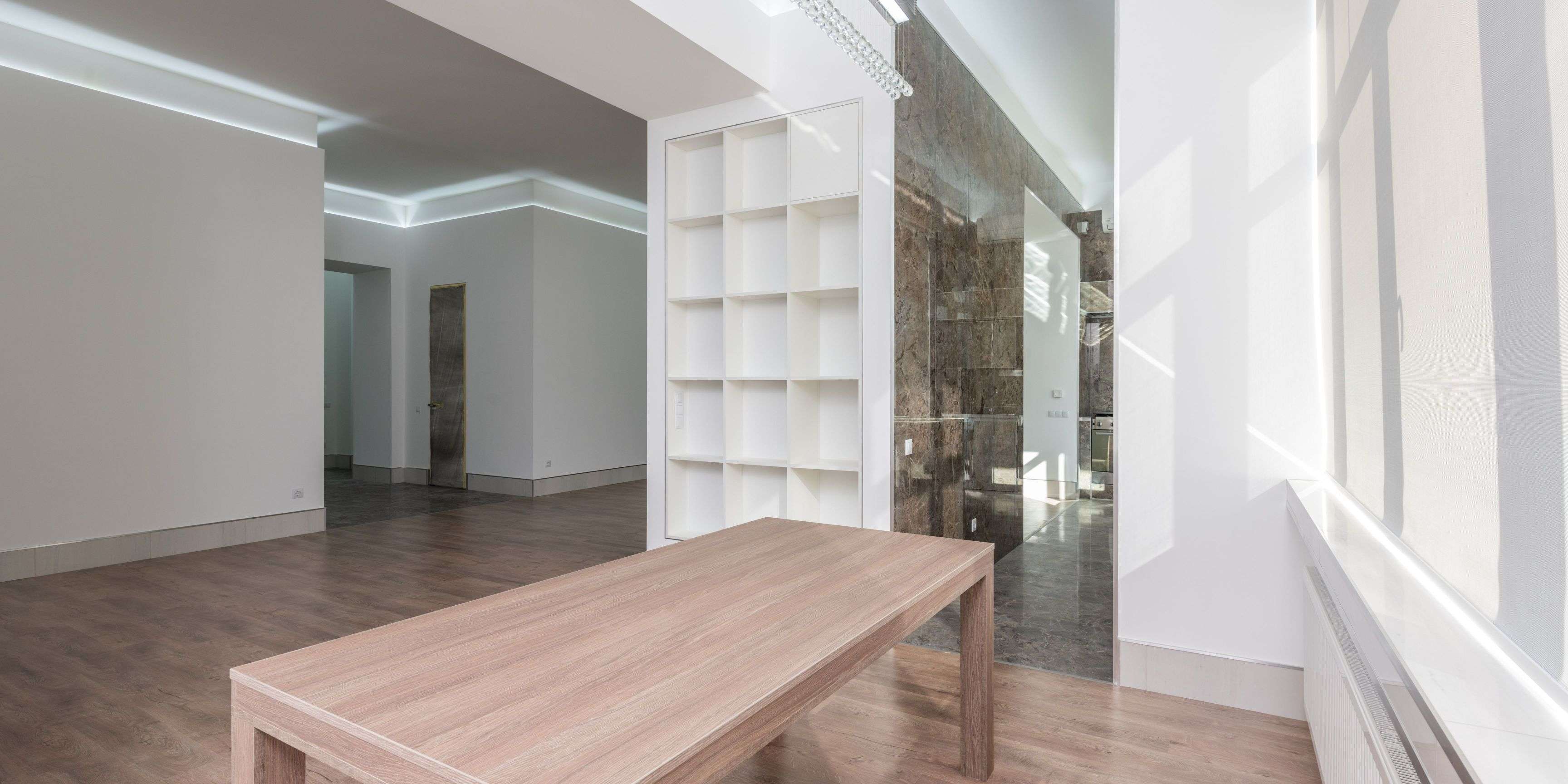
Multi-layer engineered planks installed via floating, glue-down, or nail-down methods. The preferred choice for Chicago condos with concrete subfloors, below-grade spaces, and buildings where the city's extreme humidity swings (15-80%) demand greater dimensional stability than solid hardwood provides.
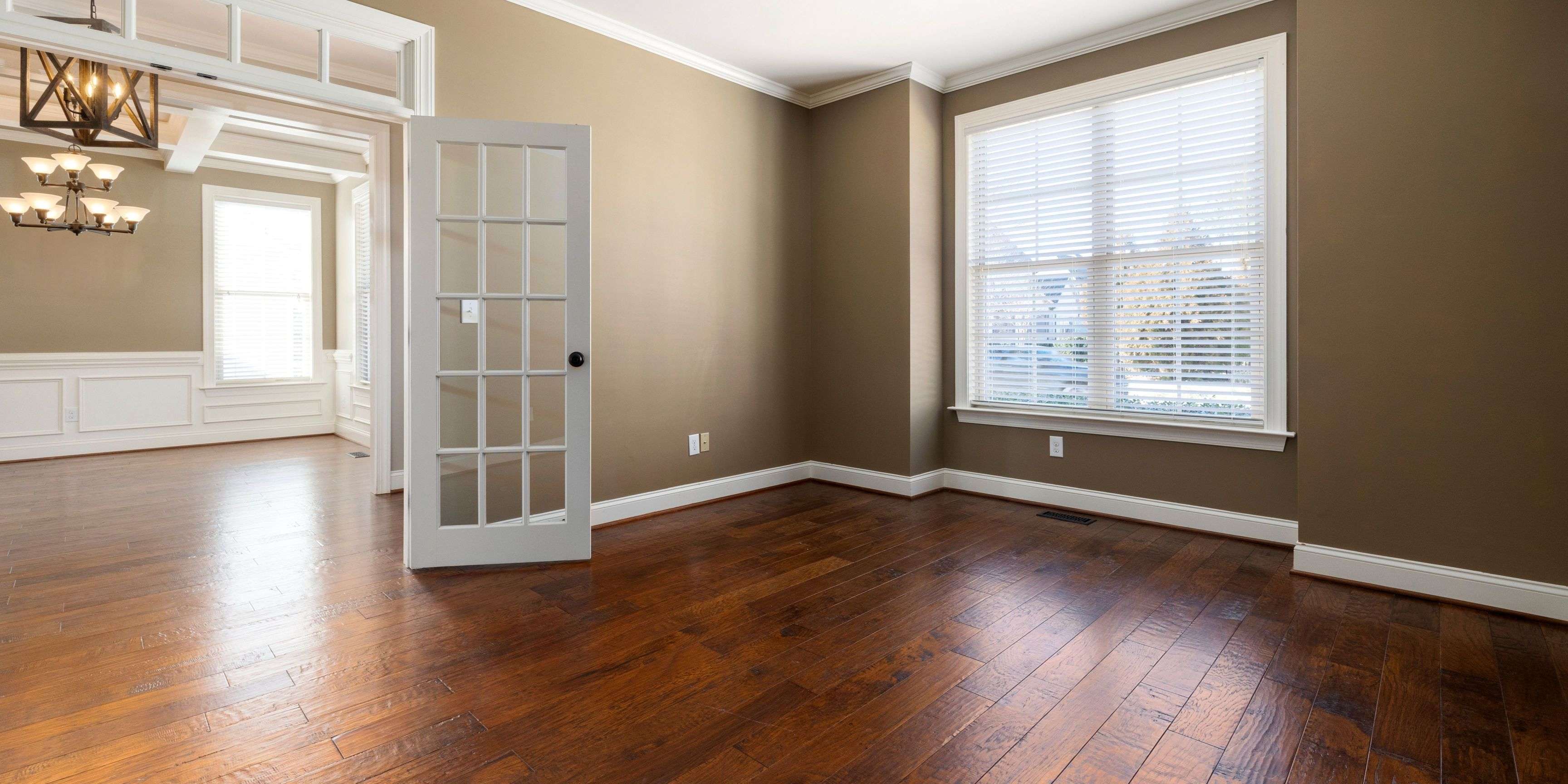
Specialized restoration of original hardwood in Chicago's 80,000+ bungalows built between 1910-1940. Board-by-board assessment for radiator proximity warping, termite damage, and moisture intrusion. Selective plank replacement using period-matched species, followed by complete sanding, staining, and finishing to revive the character of these classic Chicago homes.

Complete sanding, staining, and finishing of existing hardwood floors. Most original Chicago hardwood—3/4-inch solid oak strip—can be refinished 3-4 times over its lifetime. We assess board thickness, identify problem areas around radiators and doorways, and apply water-based or oil-based polyurethane compliant with Illinois EPA VOC standards.

Hardwood installation for Chicago condos, two-flats, three-flats, and larger multi-unit buildings. We address condo association sound requirements (STC/IIC ratings of 50-55), install acoustic underlayment for upper-floor units, and coordinate schedules around shared-building logistics. Available for owner-occupied and rental renovation projects.
Herringbone, chevron, parquet, and custom border installations for distinctive floor designs. Popular in historic home renovations and renovated loft conversions throughout Chicago. Precision-cut patterns using white oak, walnut, or mixed-species designs with detailed layout planning.
Chicago pricing reflects the city's older housing stock, union-influenced labor market, and the additional preparation most vintage homes require. All estimates include materials, labor, and standard subfloor preparation.
| Installation Type | Price Range (per sq ft) | Best For |
|---|---|---|
| Pre-Finished Engineered (Floating) | $6 – $10 | Condos, basements, concrete subfloors |
| Engineered Hardwood (Glue-Down) | $9 – $14 | Concrete slabs, radiant heat systems |
| Solid Oak (Nail-Down) | $10 – $16 | Bungalows, two-flats, frame-built homes |
| Wide Plank (5"+) | $12 – $18 | Modern renovations, open floor plans |
| Herringbone / Chevron | $14 – $22 | Historic homes, loft conversions |
| Service | Price Range (per sq ft) | Details |
|---|---|---|
| Sand & Refinish (Clear Coat) | $3.50 – $5.50 | Standard sanding + 3 coats polyurethane |
| Sand, Stain & Refinish | $4.50 – $7.00 | Color change + 3 coats polyurethane |
| Hardwax Oil Finish | $5.00 – $8.00 | Rubio Monocoat or Osmo, natural matte look |
| Spot Repair & Blend | $6.00 – $10.00 | Patch damaged sections, feather into existing |
Every installation follows a structured process adapted to Chicago's building conditions and climate demands.
We evaluate your space in person—measuring square footage, testing subfloor moisture levels, identifying building construction type (frame, masonry, concrete), and noting Chicago-specific factors like radiator proximity, balloon-frame settling, or condo sound requirements. You'll receive a detailed written estimate within 24-48 hours.
We help you select the right wood species, plank width, and finish. Once delivered, materials acclimate for 7-14 days in your home—critical in Chicago, where indoor humidity swings 50+ percentage points between winter and summer. We monitor moisture content throughout acclimation to confirm stabilization.
We remove existing flooring, inspect the subfloor for damage or moisture issues, apply leveling compound where needed, and install appropriate moisture barriers. In older Chicago homes with balloon-frame construction, we address settling-related unevenness common in pre-1940 homes. For condos, acoustic underlayment is installed at this stage.
Hardwood is installed using the method best suited to your subfloor—nail-down for wood subfloors, glue-down for concrete, or floating for engineered products. We maintain proper expansion gaps around all perimeters and transitions, sized for Chicago's humidity range. Each row is checked for alignment and secured properly.
For site-finished floors, we apply your chosen finish system with proper dry time between coats. Transitions, baseboards, and trim are installed. We conduct a final walkthrough, provide maintenance instructions tailored to Chicago's seasonal humidity changes, and confirm your complete satisfaction.
Hardwood floor installation generates noise from nailers and saws, along with dust from cutting and sanding. We use dust-containment systems to minimize impact on your living space. For site-finished floors, water-based finishes have minimal odor and cure within 24-48 hours, while oil-based finishes require 3-5 days of ventilation. Most installations allow you to remain in the home, though we recommend staying off newly finished floors for 24-72 hours depending on finish type. In multi-unit buildings, we coordinate with neighbors regarding noise schedules and building access.
We install and refinish hardwood floors across all 77 Chicago community areas and throughout Chicagoland. Chicago's diverse housing stock—from 1880s Victorians to 2020s new construction—means every neighborhood presents different considerations. We know the building types, subfloor conditions, and flooring challenges specific to each area.
Downtown & Central: 60601, 60602, 60603, 60604, 60605, 60606, 60607, 60610, 60611, 60654
North Side: 60613, 60614, 60618, 60625, 60626, 60630, 60631, 60634, 60640, 60641, 60645, 60646, 60647, 60656, 60657, 60659, 60660
West Side: 60608, 60612, 60622, 60623, 60624, 60639, 60644, 60651
South Side: 60609, 60615, 60616, 60617, 60619, 60620, 60621, 60628, 60629, 60632, 60636, 60637, 60643, 60649, 60652, 60653, 60655
Chicago's climate creates one of the most challenging environments for hardwood floors in the country. Winter indoor humidity regularly drops below 20% with forced-air and radiator heating running constantly, while summer humidity climbs above 70% in July and August. This 50+ percentage-point annual swing causes significant wood expansion and contraction. Every Chicago installation requires extended acclimation (7-14 days minimum), correctly sized expansion gaps, and homeowner education on humidity management—including humidifiers in winter and dehumidifiers in summer.
Many vintage Chicago homes—bungalows, two-flats, greystones—use steam or hot water radiator heating. These systems create localized hot, dry zones that accelerate wood shrinkage, cupping, gapping, and cracking in nearby floorboards. We assess radiator proximity during every vintage home consultation and recommend heat shields, localized humidification, and dimensionally stable species or engineered products for radiator-adjacent areas.
Most Chicago homes built before 1940 use balloon-frame construction, which allows gradual settling over decades. This creates uneven subfloors—dips, slopes, and high spots—that must be addressed before installation. We use laser levels and straight edges to map subfloor topology and apply self-leveling compound or plywood overlay to create a flat, stable installation surface.
The bungalow belt stretches across the Northwest and Southwest sides—Portage Park, Jefferson Park, Irving Park, Belmont Cragin, Gage Park, and Chicago Lawn. These 80,000+ brick bungalows were built primarily between 1910 and 1940 with 2-1/4" strip hardwood as standard flooring. Most have been covered with carpet or laminate at some point. Uncovering and refinishing original bungalow hardwood is one of our most common projects, often revealing 90+ year-old old-growth oak in remarkably good condition beneath the surface.
Chicago has 60+ designated landmark districts including Pullman, Jackson Boulevard, Old Town Triangle, Arlington-Deming, and Longwood Drive. Renovation work in landmark buildings may require period-appropriate materials and methods. We source matching species and plank widths for historically consistent restoration and work within landmark commission requirements.
Hardwood flooring in Chicago typically costs $6-$22 per square foot installed, depending on wood species, installation method, and subfloor condition. Pre-finished engineered floating starts around $6-$10/sq ft, solid oak nail-down runs $10-$16/sq ft, and custom patterns like herringbone range from $14-$22/sq ft. Chicago pricing runs 10-20% above national averages due to union labor rates and the additional subfloor work most vintage homes require.
Yes, Chicago bungalows are ideal candidates for hardwood restoration. Most of the city's 80,000+ bungalows were built between 1910 and 1940 with original 3/4-inch strip oak flooring. We specialize in bungalow floor restoration including board-level assessment, selective plank replacement with period-matched species, and complete refinishing to revive floors hidden under carpet for decades.
Chicago's extreme humidity swings—from below 20% in heated winter interiors to 70-80% during summer—create significant expansion and contraction cycles. Proper acclimation (7-14 days minimum), humidity control equipment, and correctly sized expansion gaps are essential. Engineered hardwood handles these swings better than solid hardwood, especially in buildings with steam radiator heating.
Yes, but most Chicago condo associations require minimum STC and IIC ratings of 50-55. This means installing acoustic underlayment or sound-dampening membrane beneath the hardwood. We work with your condo board's requirements and recommend engineered hardwood systems that meet or exceed Chicago's common sound insulation standards.
A typical Chicago installation takes 3-7 days depending on scope. A single room takes 1-2 days, a full first floor runs 3-4 days, and whole-home installations take 5-7 days. Add 2-3 days for refinishing. Allow 7-14 days for acclimation before installation—Chicago's humidity variations make this critical.
Yes, we regularly install and refinish hardwood in two-flats, three-flats, greystones, and larger multi-unit buildings. For upper-floor units, we address sound insulation and shared-building logistics. Many vintage two-flats have original hardwood that can be refinished rather than replaced, revealing beautiful old-growth oak beneath carpet or paint.
White oak and red oak are the most popular and historically appropriate choices, matching original flooring in most pre-war construction. White oak (Janka 1,360) offers superior moisture resistance. Hickory (1,820) provides maximum durability for high-traffic areas. Walnut and maple offer different aesthetics for contemporary spaces.
In most Chicago homes, refinishing is the better option if boards are structurally sound with at least 1/4 inch remaining above the tongue. Original 3/4-inch solid hardwood can be refinished 3-4 times. Refinishing costs $3.50-$8/sq ft versus $6-$22 for new installation—significantly more economical while preserving original character.
Yes, the installation area needs to be completely clear. We can assist with furniture moving. For whole-home installations, we work room by room so you can shift furniture within the home. Completed areas are protected with ram board or moving blankets during the process.
We offer water-based polyurethane (low VOC, fast drying, clear finish), oil-based polyurethane (amber warmth, maximum durability), and hardwax oil like Rubio Monocoat and Osmo (natural look, spot repairs). Water-based poly is most popular in Chicago for low odor and Illinois EPA compliance. Oil-based poly is best for high-traffic rentals and two-flats.
Call now to schedule an on-site assessment. We'll evaluate your space, discuss options, and provide a detailed written estimate—no obligation, no pressure.
Call 888-959-0968Available 7 Days a Week, 7:00 AM – 8:00 PM